
The Company · History
The History
of Inbal
Israel's first institutional dance company (1949)—one of the founding pillars of the country's culture and dance.
About the Company
The Company's Story
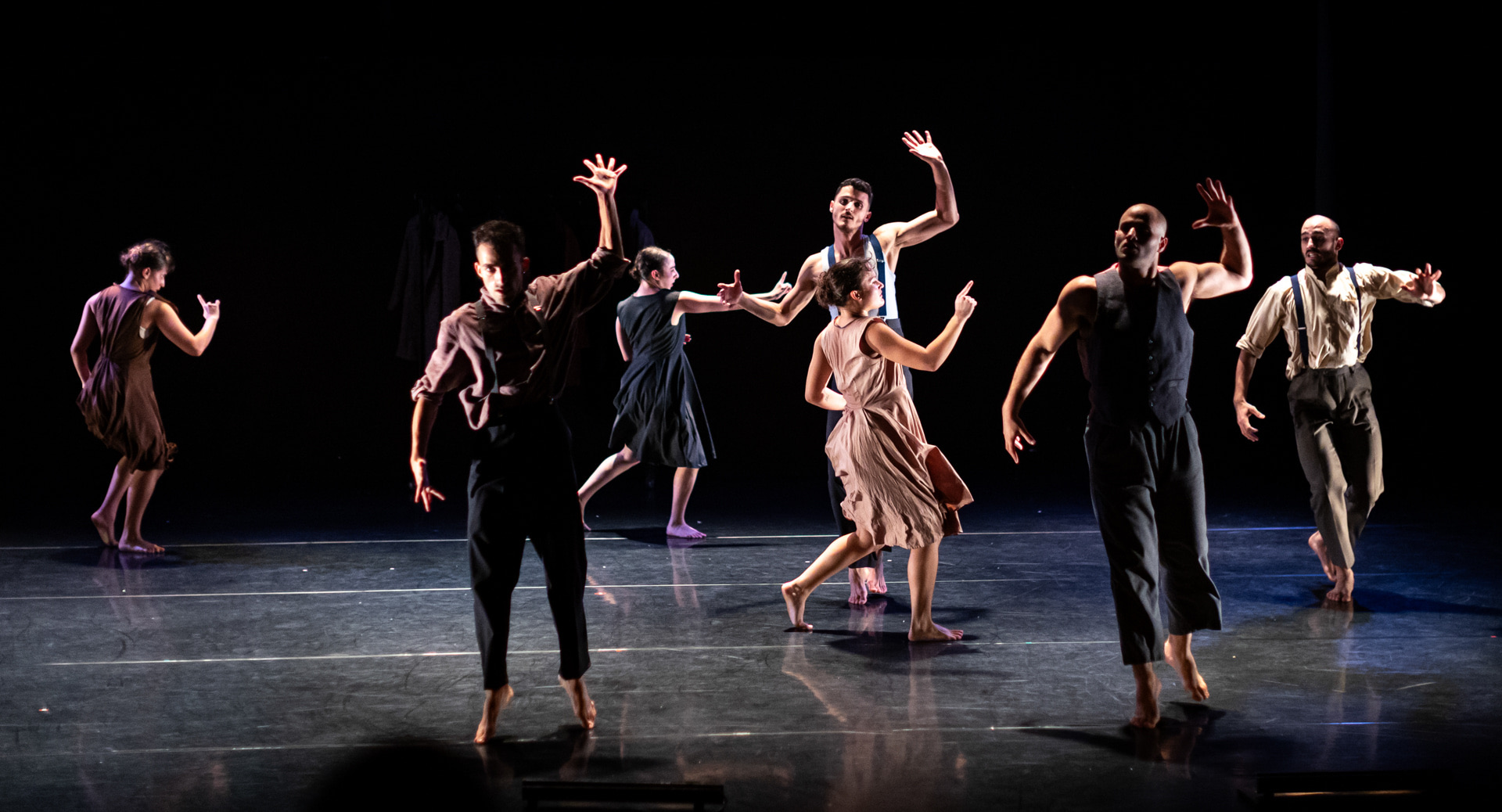
Sara Levi-Tanai (1910–2005), the founder of Inbal, was one of the most visionary cultural figures in Israeli history—a pioneering choreographer, composer, poet, and artistic innovator. In 1949, she established the company with a group of young Yemenite Jewish men and women, driven by a bold ambition: to create a distinctly Israeli dance language rooted in the traditions of communities that had long existed outside the cultural mainstream.
The movement vocabulary she developed, later known as the "Inbal language," drew upon biblical imagery and the movement, music, and poetry of Yemenite Jewry, while engaging with the emerging techniques of modern and contemporary dance. The result was a wholly original artistic form. In recognition of her extraordinary contribution, Levi-Tanai was awarded the Israel Prize in 1973.
During its early years, Inbal operated on the periphery of Israel's cultural establishment, performing primarily in kibbutzim and rural communities. A decisive turning point came in 1951, when the celebrated American choreographer Jerome Robbins—later renowned worldwide for West Side Story—visited Israel on behalf of the America–Israel Cultural Foundation.
Robbins immediately recognized the originality and artistic significance of Levi-Tanai's work. Deeply impressed, he became both mentor and advocate, helping secure sustained institutional support for the company. His intervention enabled Inbal's dancers to train and perform professionally and opened the door to major international tours—throughout the 1950s the company appeared on some of the world's most prestigious stages, including engagements in New York, London, and Paris.
The partnership between Levi-Tanai's artistic vision and Robbins's international advocacy transformed Inbal from a small community-based ensemble into Israel's first cultural ambassador on the world stage. Through its performances, the company introduced global audiences to the richness of Yemenite and Mizrahi heritage while helping reshape the cultural narrative of the young state—becoming not only a dance company but a powerful symbol of cultural inclusion, artistic innovation, and the diverse identities that continue to shape Israeli society.
The Historic Repertoire
The Inbal Classics.
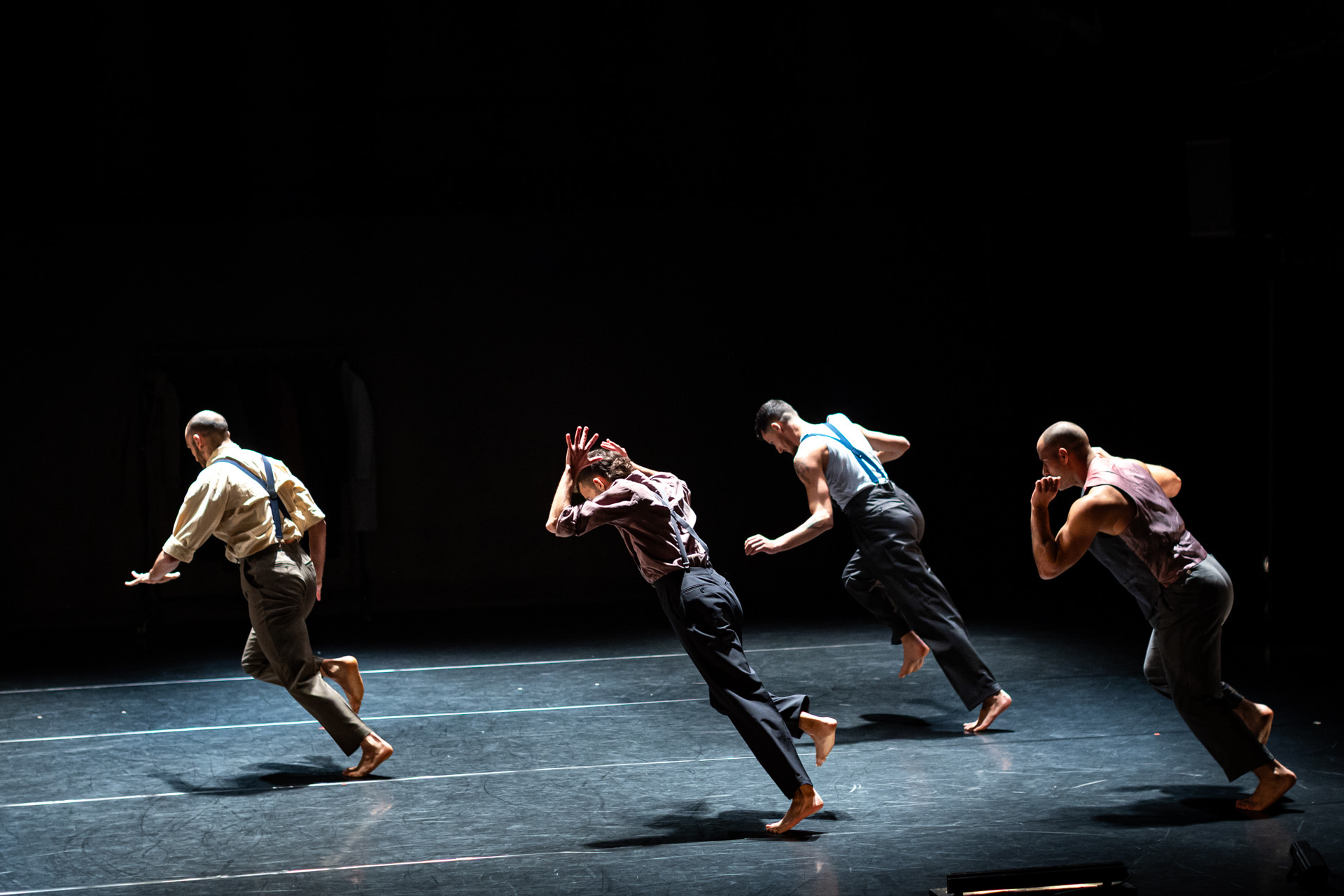
The works of Inbal's formative period—most created by Sara Levi-Tanai—were distinguished by their extraordinary rhythmic complexity, intricate hand-clapping and foot percussion, and live singing by the dancers themselves, in close musical collaboration with resident composer Ovadia Tuvia.
- Song of Songs 1982
- The company's legendary signature work. A rich fusion of movement, song, and liturgical poetry that connected Israeli audiences to the roots of biblical culture and dance, drawing on the traditions of Yemenite Jewry.
- Yemenite Wedding 1956, חידוש 1978
- One of Sara Levi-Tanai's most celebrated and enduring works. Drawing on the henna and wedding rituals of Yemenite Jewry, the piece transforms traditional ceremonies into a vivid stage experience—dramatic, colorful, and deeply theatrical.
- Bring Me Fate 1977
- Choreography by Rina Sharett. A dramatic masterpiece from Inbal's early repertoire, exploring themes of fate, faith, and tradition within the life of the community.
- The Book of Ruth 1961, חידוש 1979
- A landmark work inspired by the biblical story of Ruth. Originally created as a pageant for kibbutzim and later developed into a full-length dance work, it weaves pioneering, agricultural, and biblical motifs into a powerful theatrical tapestry.
- The Silversmith 1977
- A work dedicated to the traditional art of silversmithing—a craft that characterized Yemenite Jewish communities for generations. In the hands of Sara Levi-Tanai, its intricate rhythms and gestures became a precise, compelling choreographic composition.
- Canaan 1955, חידוש 1959
- An expansive work seeking a choreographic connection to the distant past and the ancient roots of the Land of Israel.